
Investing can feel like a daunting journey, especially if you’re just starting out. With so much information available, it’s easy to become overwhelmed. However, understanding the fundamentals of investment is crucial for anyone looking to build wealth and secure their financial future. Whether you’re saving for retirement, a dream home, or your child’s education, knowing when to start and how to grow your investments can make all the difference.
This blog post will guide you through essential insights on investing—from determining the best time for you to dive in to exploring common pitfalls that many investors encounter along the way. Plus, we’ll answer some burning questions straight from industry experts.
Get ready to unravel the mysteries of investment and empower yourself with knowledge that paves the way toward financial freedom!
The Importance of Investing
Investing is a powerful tool that enables individuals to grow their wealth over time. It’s not just for the affluent; anyone can start building financial stability through smart investment choices.
By investing, you put your money to work instead of letting it sit idly in a savings account. This proactive approach helps combat inflation and increases your purchasing power in the long run.
Moreover, investing cultivates discipline and encourages long-term thinking. The process often requires research and patience, teaching valuable lessons about financial management.
Additionally, investments can generate passive income streams. This allows you more freedom with your finances—whether it’s funding a vacation or planning for retirement.
Embracing investment opens doors to various opportunities and enhances your overall financial literacy. Understanding its importance sets the foundation for making informed decisions that benefit both present needs and future goals.

When is the Right Time to Start Investing?
The right time to start investing often depends on individual circumstances. Many people believe they need a large sum of money or advanced knowledge before diving in, but that’s not the case.
Investing can begin with small amounts. The earlier you start, the more time your investments have to grow. Compound interest works best over long periods, so even modest contributions can accumulate significantly.
Consider starting when you have a stable income and some savings set aside for emergencies. This safety net allows you to invest without risking financial security.
Think about your goals too. Whether saving for retirement, a home, or education, having clear objectives can help determine when it’s appropriate to get started.
In today’s market, there are many accessible platforms that cater to beginners. Research options that allow flexibility while offering educational resources along the way.
How to Grow Your Investments
Growing your investments requires a strategic approach. Start by diversifying your portfolio. This means spreading your money across various assets, like stocks, bonds, and real estate. A balanced mix can help mitigate risks while maximizing potential returns.
Regular contributions to your investment accounts are crucial. Consider setting up automatic transfers from your checking account to ensure consistency over time. Small amounts add up significantly when invested wisely.
Stay informed about market trends and economic changes that could impact your investments. Knowledge is power in the financial world, allowing you to make timely adjustments as needed.
Reinvest dividends or interest earned from investments whenever possible. This compounding effect accelerates growth and takes advantage of the principle of earning returns on both initial capital and reinvested earnings.
Be patient and avoid emotional decision-making during market fluctuations. Sustainable growth often comes with time and perseverance in a well-thought-out strategy.
Common Mistakes to Avoid When Investing
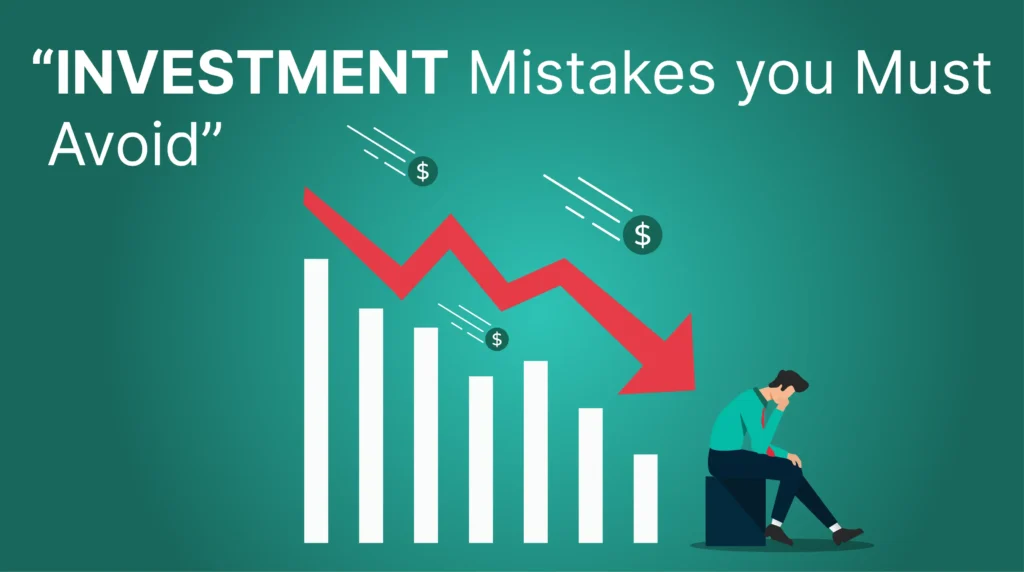
One of the most common mistakes is letting emotions dictate decisions. Fear and greed can lead to impulsive actions, like selling during market downturns or chasing trends.
Another pitfall is neglecting research. Investing without understanding a company’s fundamentals or market conditions often results in poor choices.
Many also fall into the trap of trying to time the market perfectly. The reality is that consistent investing usually beats attempting to predict price movements.
Diversification plays a crucial role too. Concentrating investments in one area increases risk significantly; spreading assets across various sectors can mitigate potential losses.
Overlooking fees can erode returns over time. Be mindful of hidden charges associated with funds and brokers, as they add up faster than you might think.
Top Questions About Investing Answered by Experts
Many people have questions about investing. It can feel overwhelming at first. Let’s break down some common inquiries.
One frequent question is, “How much money do I need to start?” The answer varies, but you can begin with even a small amount thanks to platforms that allow fractional shares.
Another popular query revolves around risk. Investors often ask, “What’s the safest investment?” While no investment is entirely risk-free, diversifying your portfolio can mitigate potential losses.
Then there’s timing: “When’s the best time to invest?” Experts suggest that starting early and maintaining consistency often yields better results than trying to time the market perfectly.
Many wonder about fees associated with investments. Understanding expense ratios and commissions is crucial for maximizing returns. Always research before diving in!
Types of Investments to Consider
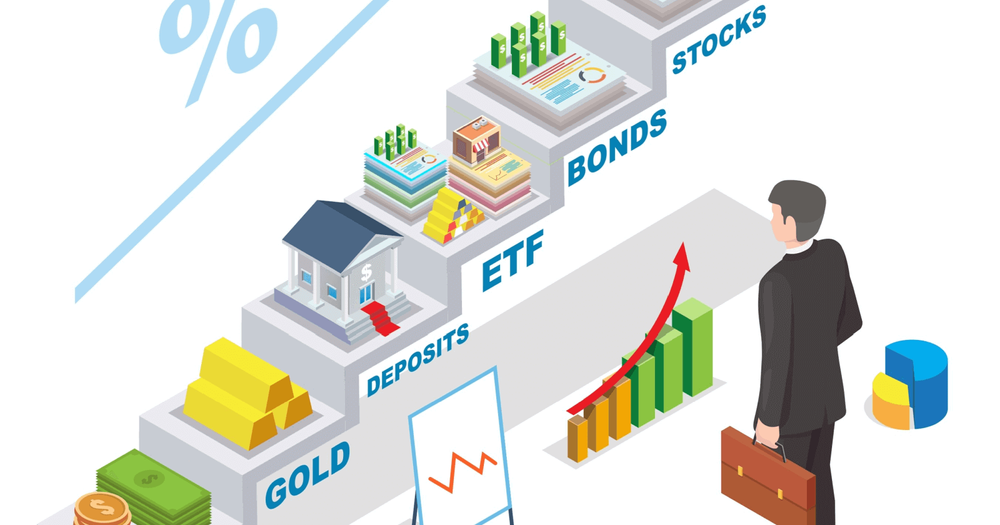
When exploring investment options, it’s essential to understand the variety available. Stocks are a popular choice for those seeking growth. They offer ownership in companies and can yield significant returns over time.
Bonds provide a different approach. These fixed-income investments are generally more stable than stocks, appealing to those who prefer lower risk.
Real estate is another option worth considering. Investing in property can generate rental income while potentially appreciating in value.
For diversity, mutual funds and exchange-traded funds (ETFs) allow you to invest in a range of assets without purchasing them individually. This can help mitigate risks associated with single investments.
Alternative investments like cryptocurrencies or commodities bring unique opportunities but come with higher volatility and risk profiles. Each investment type has its own potential rewards and challenges; understanding them is key to building a balanced portfolio.
Conclusion
Investing is a powerful tool for building wealth and securing your financial future. The sooner you start, the better positioned you’ll be to take advantage of compounding growth. Understanding when to begin and how to manage your investments can lead you down a path of financial success.
Growing your investments requires knowledge, patience, and strategy. Avoiding common pitfalls will save you time and money while enhancing your overall experience in the market. Staying informed about different types of investments can help diversify your portfolio and mitigate risks.
With expert answers at hand, you’re equipped with insights that clarify misconceptions surrounding investment practices. Embracing these principles can pave the way for smart decision-making that aligns with your personal goals.
As you embark on or continue this journey into investing, remember that every step taken today sets a foundation for tomorrow’s opportunities. Engaging thoughtfully with each aspect of investing will empower you as an investor for years to come.